Bilingual details that feel native
Language choices should help people move through the day, not decorate the page.
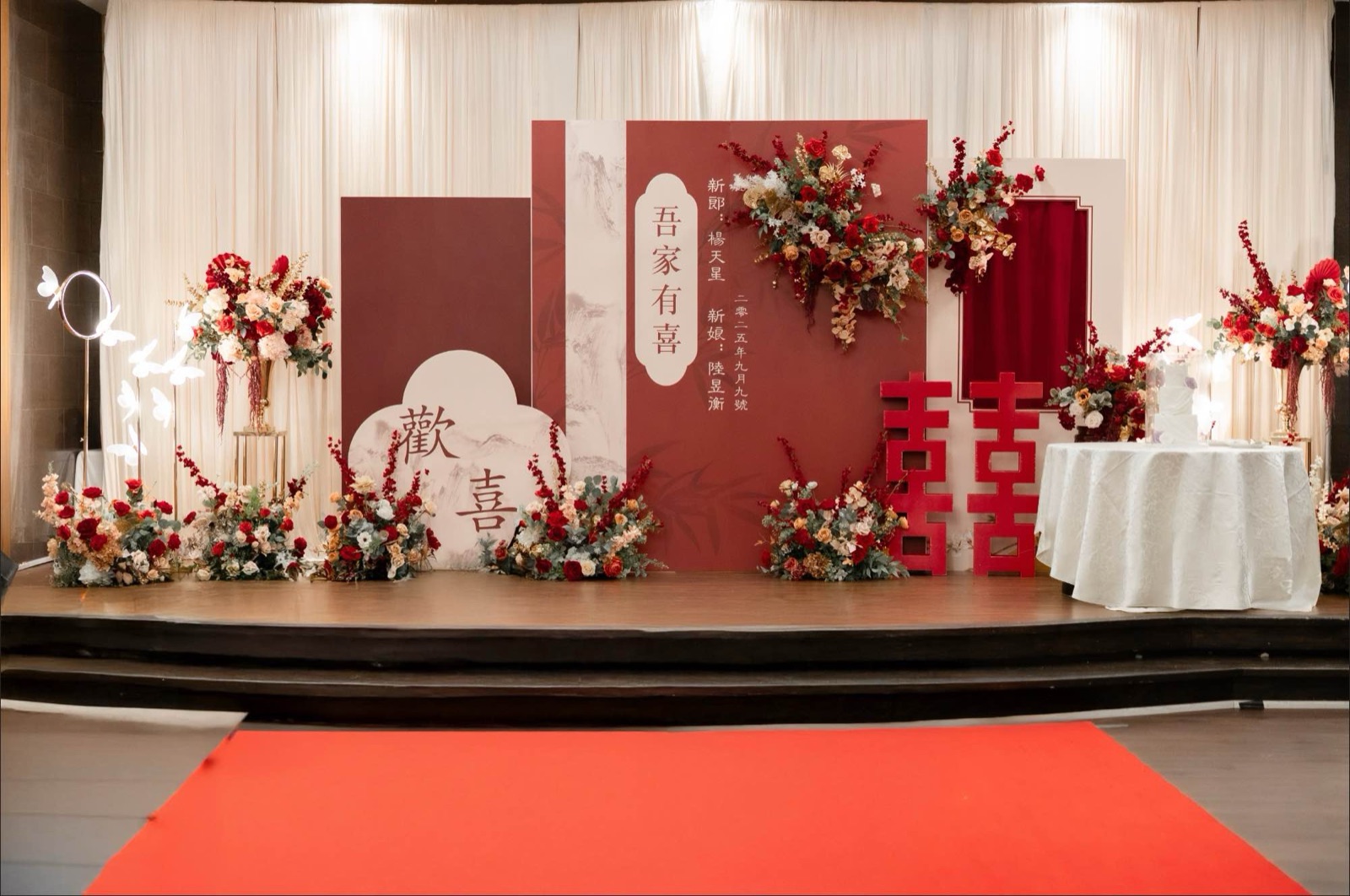
For Canadian celebrations involving Francophone, Italian, Cantonese, or Spanish-speaking families, honoring both languages is an act of deep hospitality. However, clumsy machine translations or poorly formatted dual-language cards can feel transactional.
Work with a native speaker to review all guest-facing text: invitation wording, welcome signs, menu descriptions, and toast schedules. In speeches, encourage speakers to offer a gracious summary sentence in the alternate language so unilingual family elders never feel left out of the humor and emotion.
Genuine linguistic hospitality makes every family member feel valued and at home.
Notes
What this piece is, and where each photograph comes from. Open the original to check it.
- About this pieceA planning note written by the Wedding Digest desk for the October 2026 Toronto issue. It is general advice, not reporting on a particular couple, venue, vendor, price or availability, and it cites no outside source.
Chapter 06 · TraditionsRead it in the issue →